Projects

04
01

Score A-Star

  • Next.js 16
  • Turborepo
  • Firestore
  • Cloudflare R2
LiveFour apps in production

the story

A family publishing business in Egypt ran on WhatsApp orders, a Facebook catalogue, loose PDFs and spreadsheets. I rebuilt it as four Next.js apps sharing one account and one design system.

Solo, over about a year: frontend, backend, data model, design system and deployment.

  • 01

    Store

    Catalogue by subject and year, guest checkout, shipping priced by city and parcel weight.

  • 02

    A-Practice

    Generated quizzes, lesson notes, two live games and a parent–child link with approval.

  • 03

    Library

    Readers see only the books granted to them, on one bound device per account.

  • 04

    Console

    One installable admin that runs all three, built on Server Actions rather than API routes.

A page from the library
  1. 01

    A leak names its reader

    Every page is marked with the reader's account id the first time it opens, strong enough to survive screenshots, recompression and cropping.

  2. 02

    One device per account

    A non-extractable ECDSA key in IndexedDB answers the server on every render, so a copied cookie on its own gets nowhere.

  3. 03

    A courier with no API

    A nightly job reads the courier's public tracking endpoint and closes out deliveries that nobody marked as done.
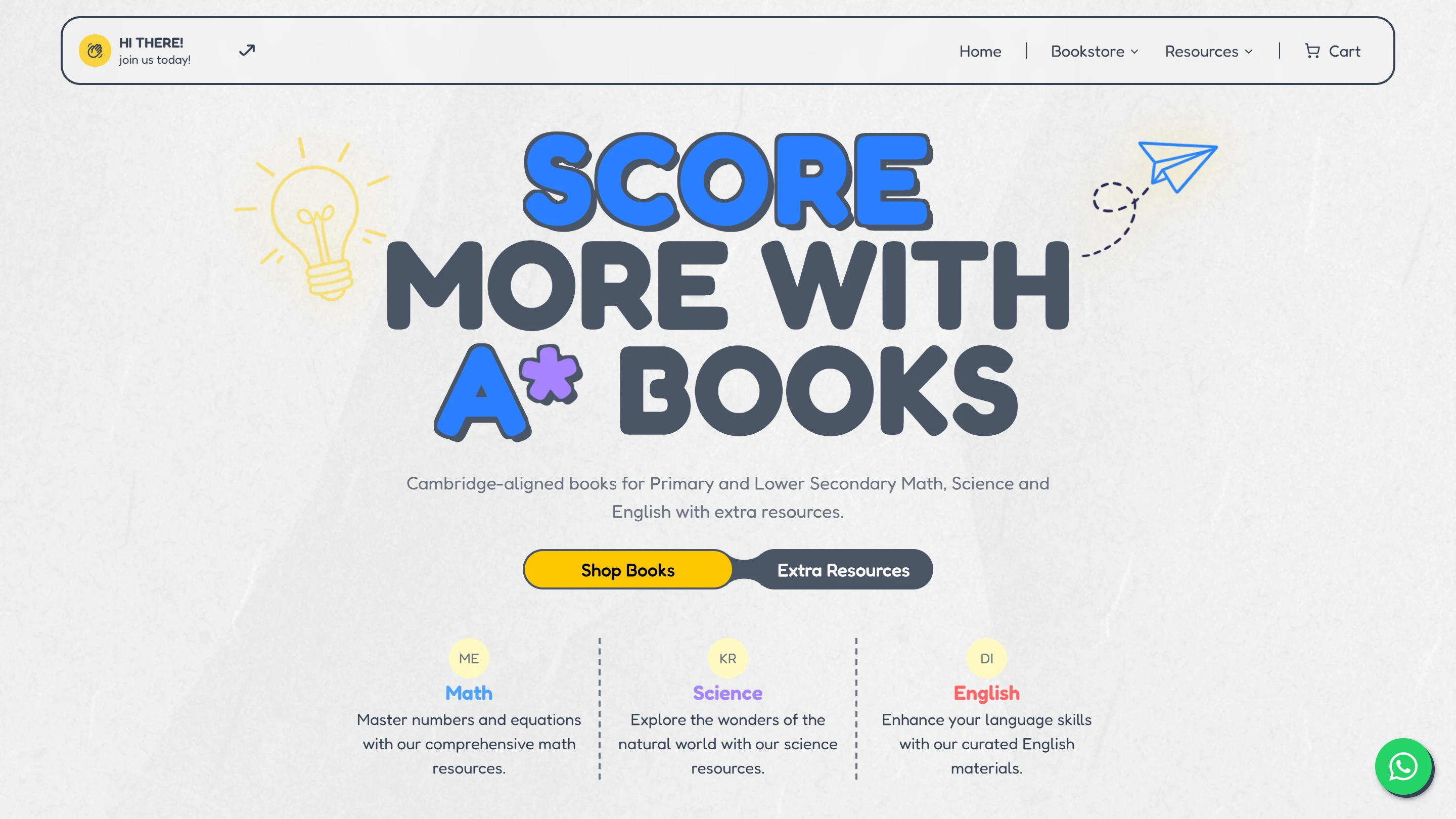
Score A-Star bookstore home page
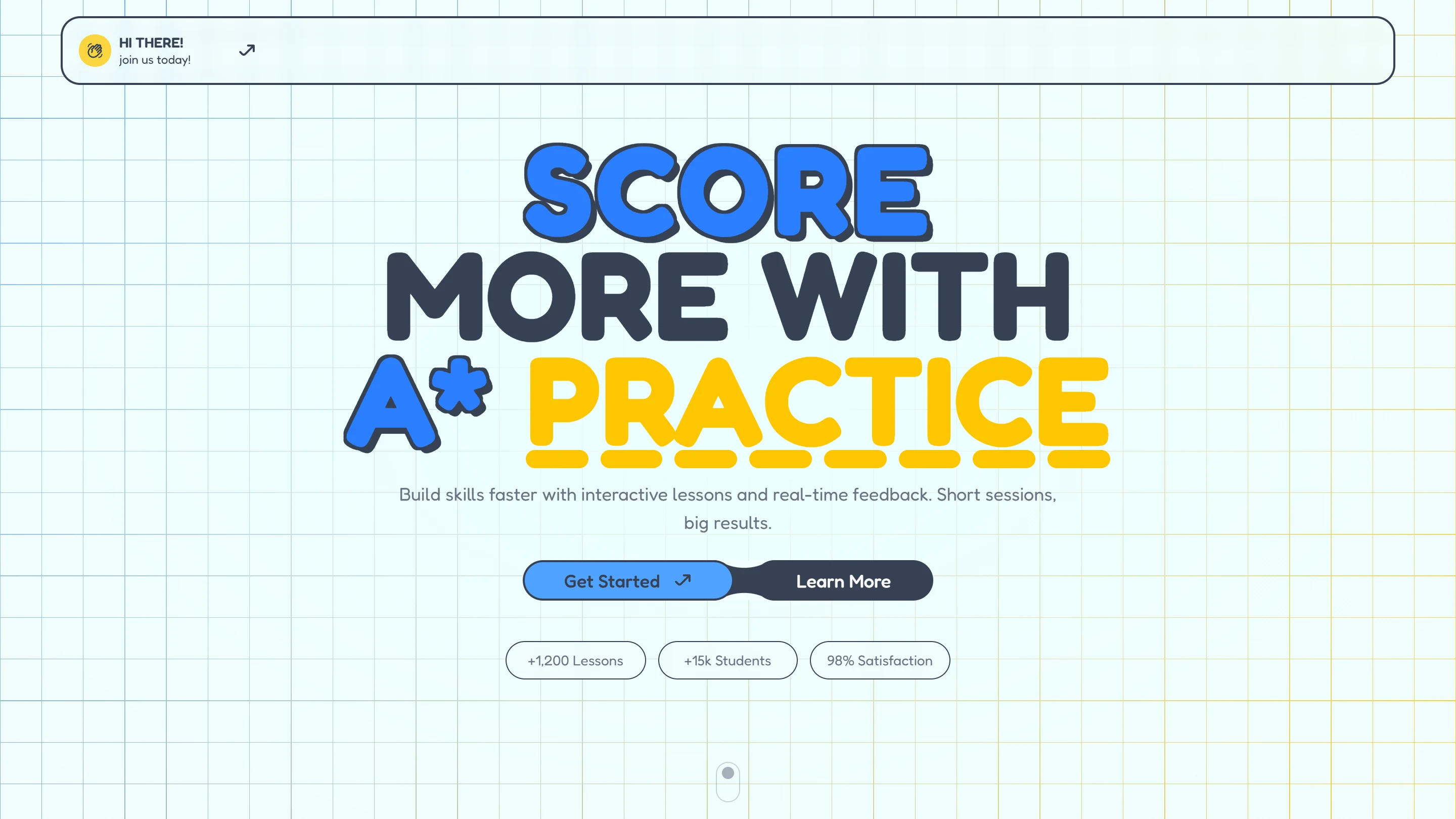
A-Practice learning platform landing page
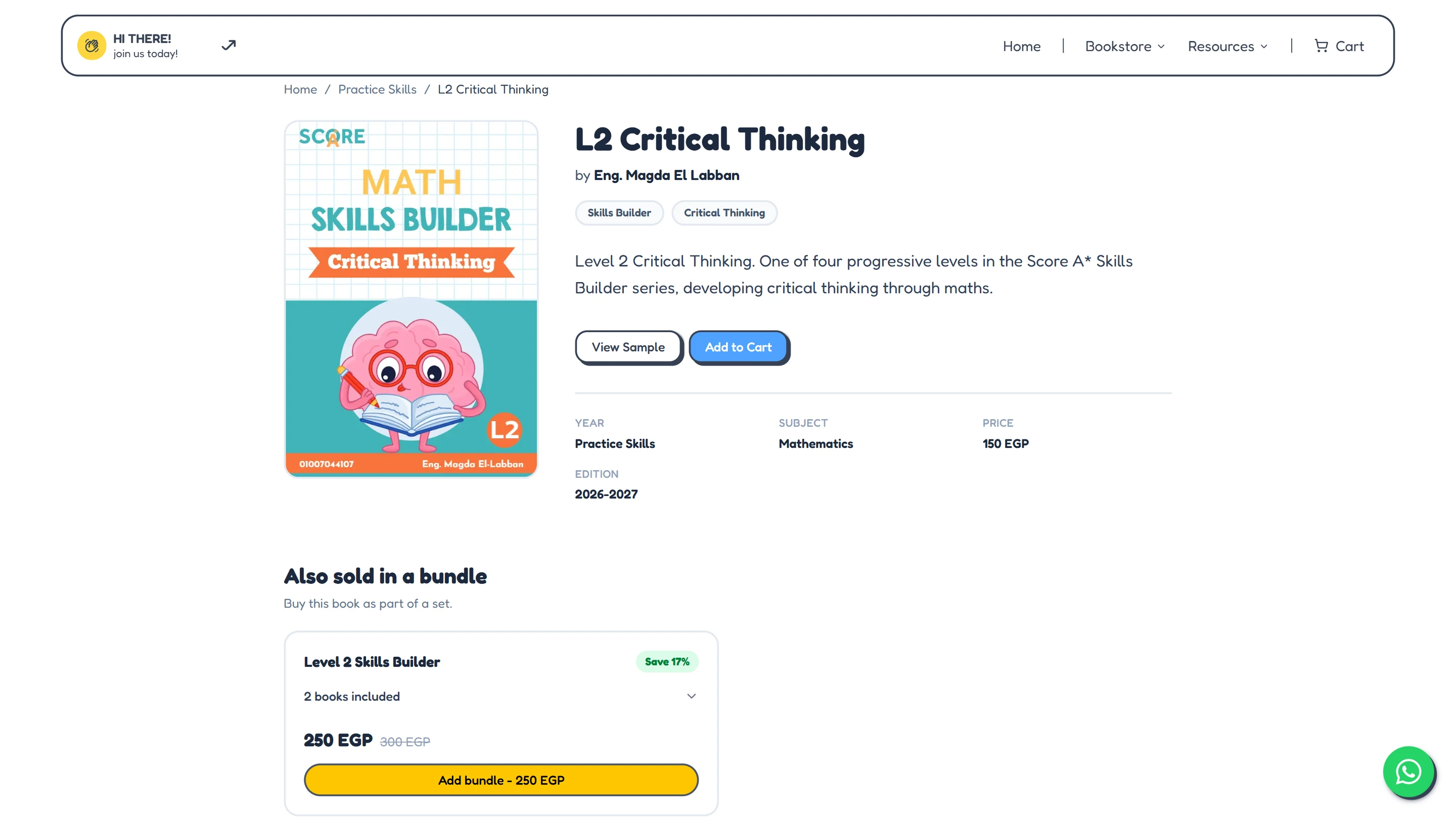
A book's page in the Score A-Star store
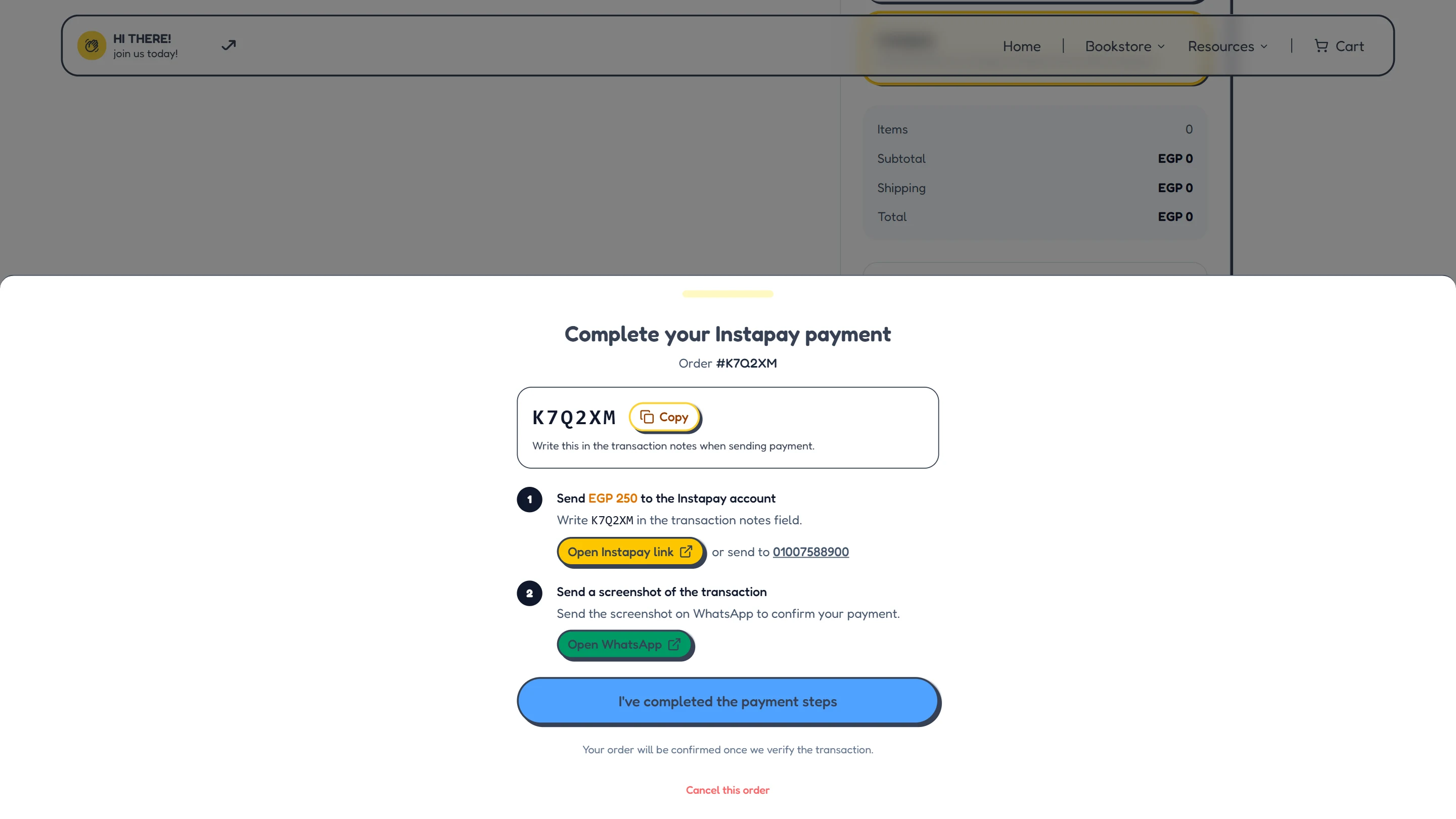
The InstaPay payment drawer at checkout
02

Pantera-X

  • Next.js 15
  • Supabase + Drizzle
  • Framer Motion
  • Blender
LivePaid client work

the story

A marketing agency wanted a site that looked like the work of people who sell design, and that they could keep current without calling a developer.

Solo: design, 3D modelling and rendering, frontend, admin panel and deployment.

The Pantera-X logo, opening the site's intro
Pieces on the board
  1. 01

    3D without paying for 3D

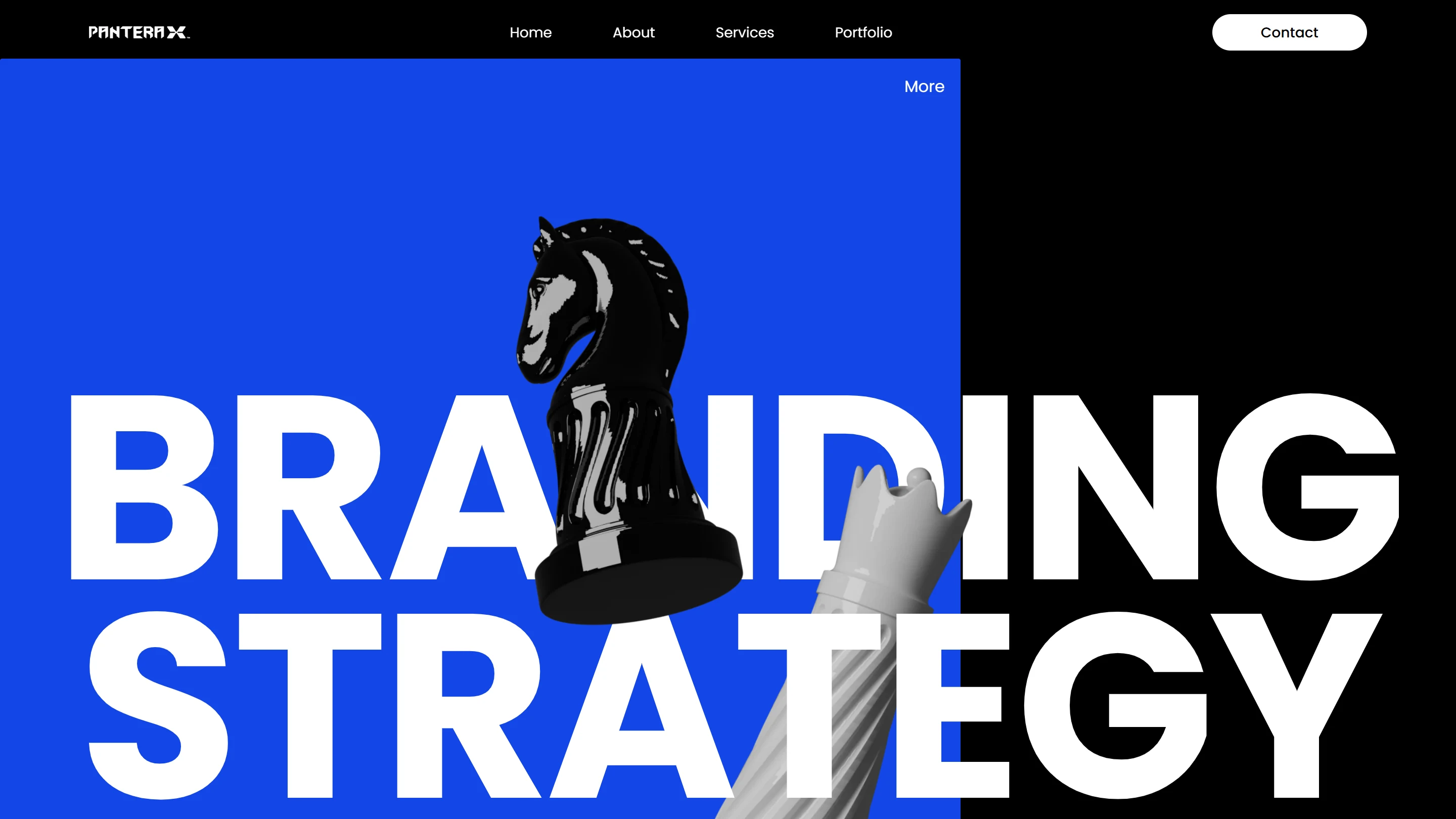
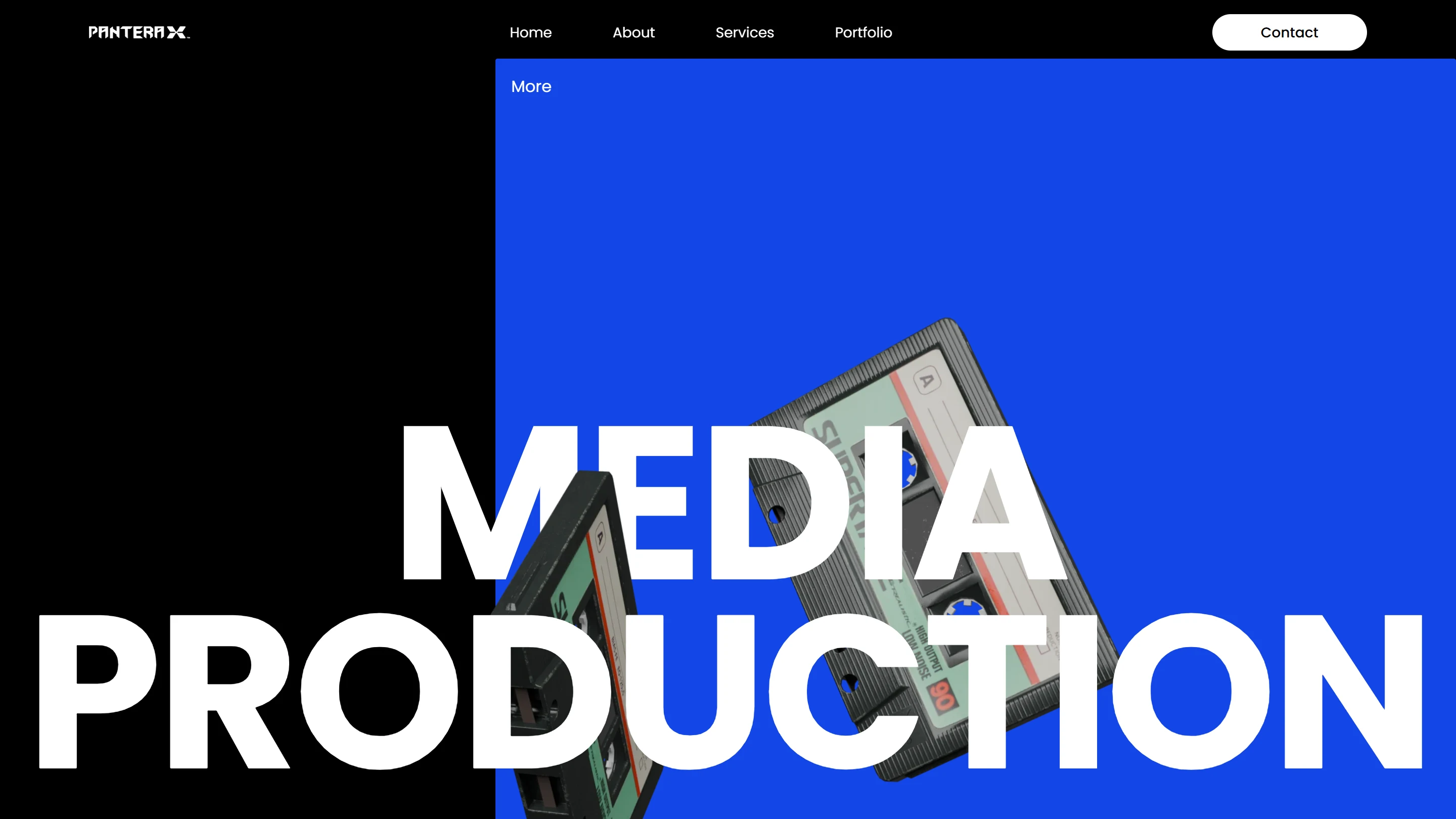
    Every service is an object I modelled and rendered in Blender, shipped as a still image: no WebGL context on the page at all.

  2. 02

    A bob and a repel

    One hook moves each piece: a slow drift, plus a push away from the cursor. A phase offset keeps the pieces from moving in lockstep.

  3. 03

    An admin the agency runs

    Portfolio and services are edited through a panel over Supabase, and enquiries land in the Google Sheet the team already works in.

Pantera-X branding service
Pantera-X media production service
03

Wolf News

  • Next.js 16
  • Supabase
  • TipTap
  • ffmpeg
LivePaid client work

the story

An Arabic-language publication and the editorial CMS behind it: right-to-left from the document root, run by editors who don't work in software, on a budget where paid infrastructure was off the table.

Solo: frontend, backend, data model, editor, roles, SEO and deployment.

What “it has to be cheap” changed

A scheduler that runs once a day
Due articles go live on a daily sweep, and an admin can run the same sweep sooner.
A free storage tier
Video is transcoded with ffmpeg on the server, capped at 20MB.
A database that must stay quiet
Reads are memoised per request; the homepage and search revalidate every five minutes.
Articles waiting to publish
  1. 01

    Publishing on a daily sweep

    A cron job publishes whatever has come due once a day, through an endpoint guarded by a shared secret. An admin can sweep sooner.

  2. 02

    An editor for non-editors

    Three guided tours, and TipTap extended with the button-links and video a newsroom asked for.

  3. 03

    Articles arrive as HTML

    The editor's output renders on the server, so traffic from search and social gets a fast, indexable page.

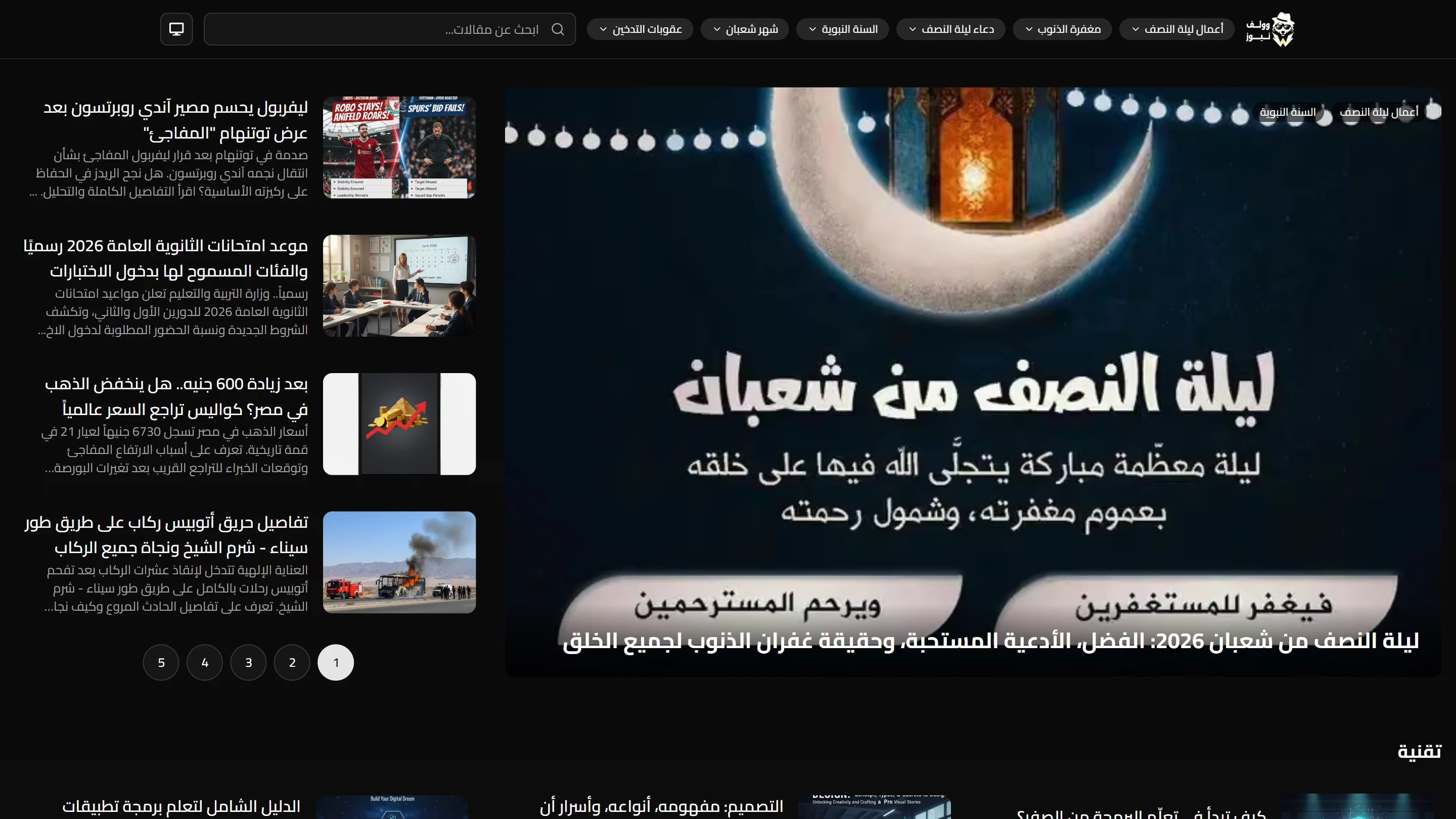
Wolf News home page on desktop
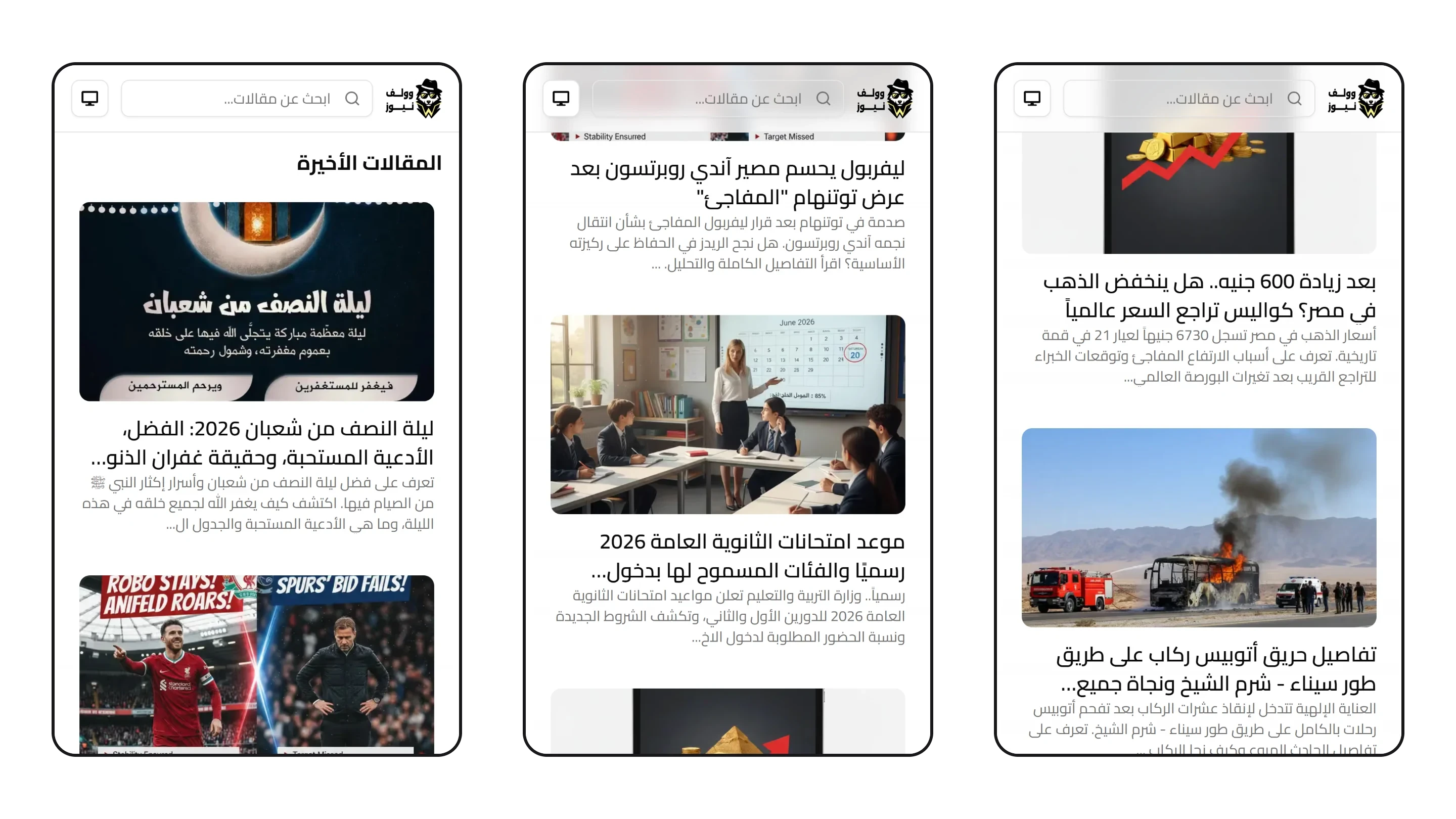
Wolf News home page on a phone
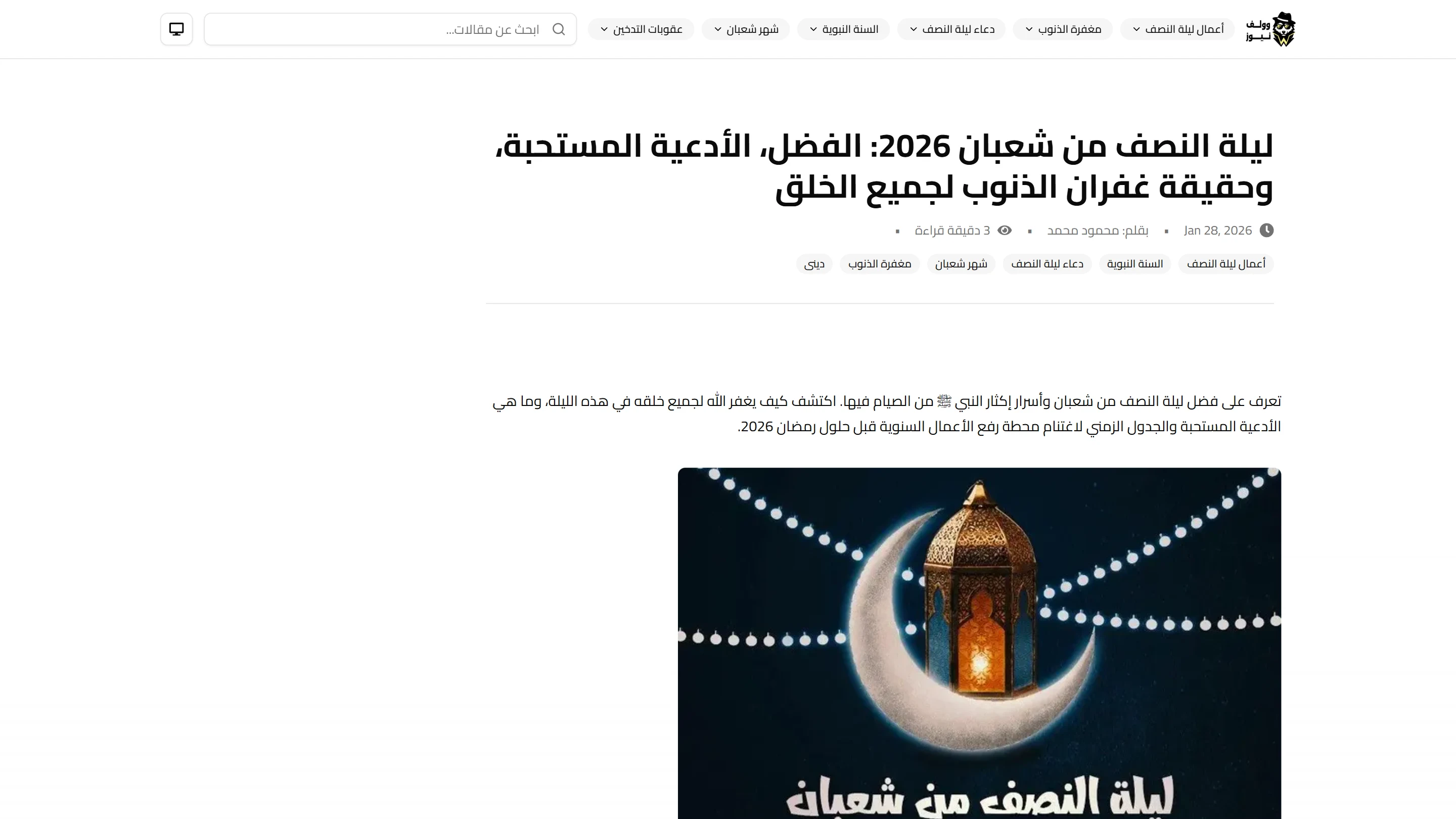
The top of a Wolf News article
Wolf News search results
04

Meracious

  • Next.js 16
  • Firebase
  • Zustand
  • React Three Fiber
DeployedCatalogue still being stocked

the story

A printing store sells things that don't exist yet, so its checkout has to collect artwork as well as an address. I built it as a template, so the next store is a copy rather than a rebuild.

Solo and unpaid: storefront, inventory, checkout, the design pipeline and admin.

  • Step 1

    Held on the device

    Artwork waits in IndexedDB while the customer shops; nothing reaches a server before they order.

  • Step 2

    Zipped per order

    One archive per order, each file named after the design field it was uploaded for.

  • Step 3

    Kept in a window

    Storage holds the newest forty archives and clears the oldest before each upload.

The order archive
  1. 01

    Files a printer can use

    The press opens an order and finds files named for what they go on, not design_1.jpg, with no email needed to say which is which.

  2. 02

    A free tier, handled in code

    The archive is a rotating window, not a vault: once a job is printed its files have done their work, and the order record stays.

  3. 03

    Copy, five edits, deploy

    Every brand string, colour and SEO field lives in typed config, so the store is already the base for the next one.

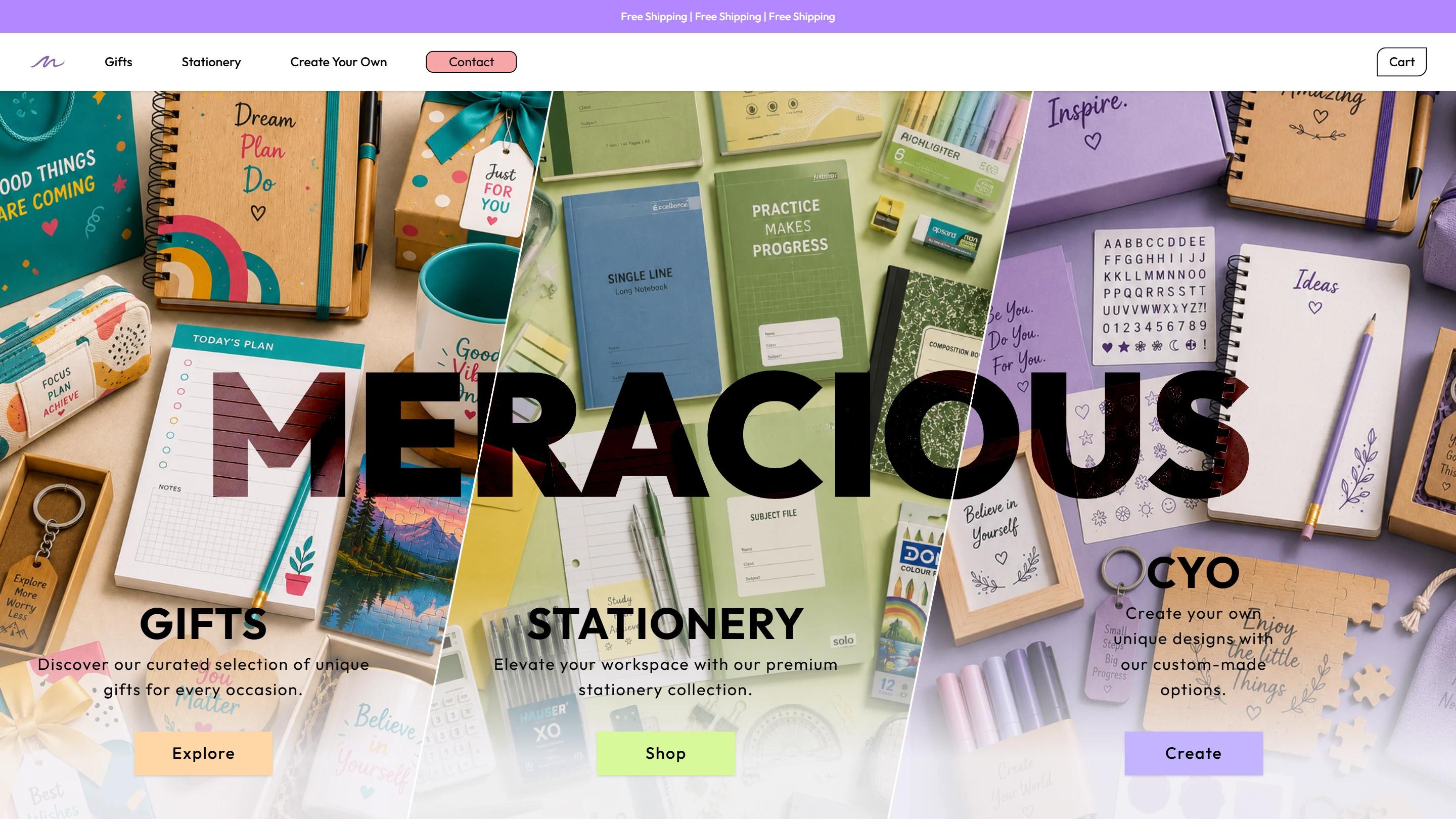
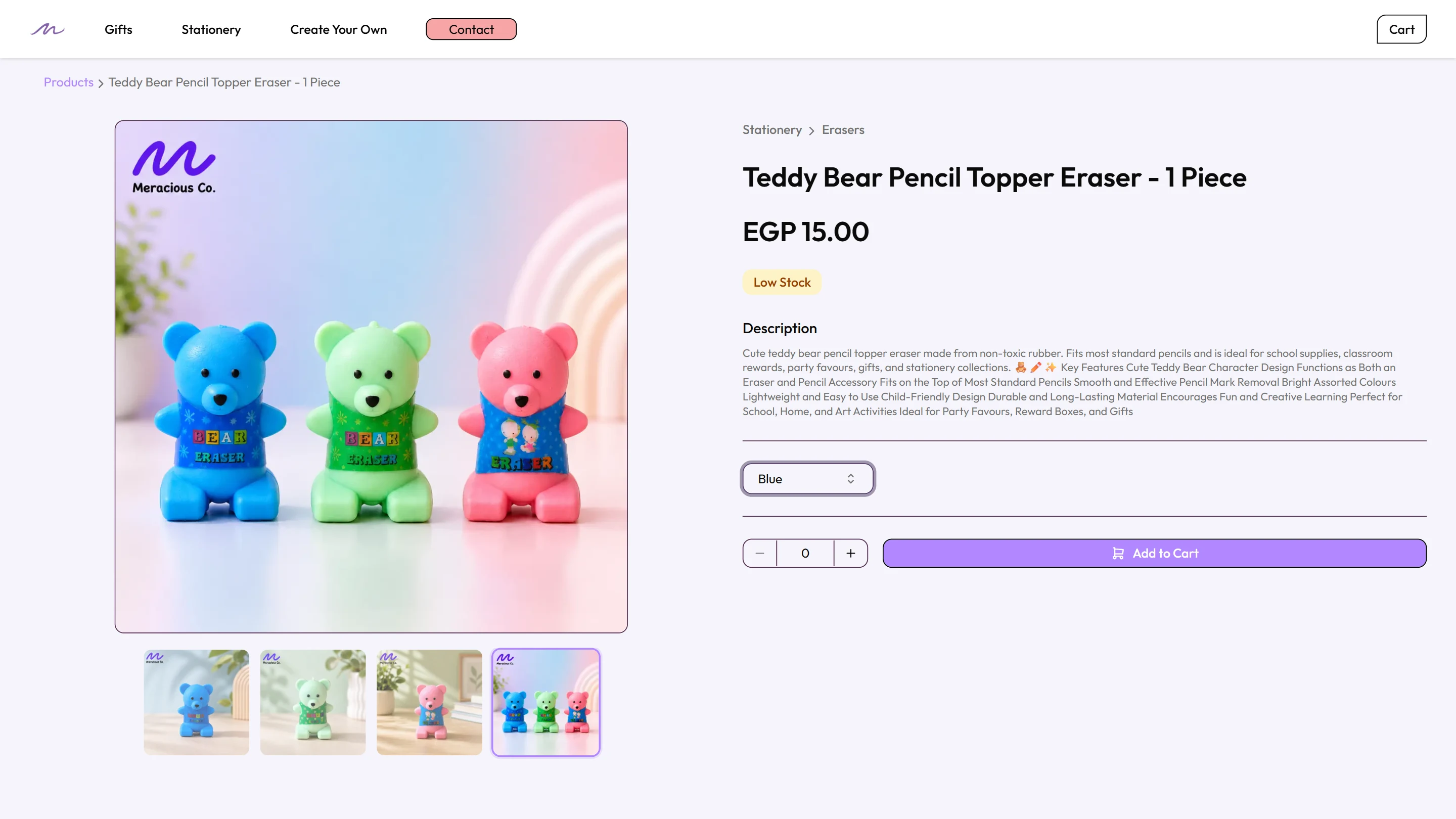
Meracious home page with its 3D notebook
A Meracious product page with its variants
butter
byte